
Dental Fillings That Restore Your Smile
Comfort-focused care to repair cavities, protect your natural teeth, and bring back confident chewing.
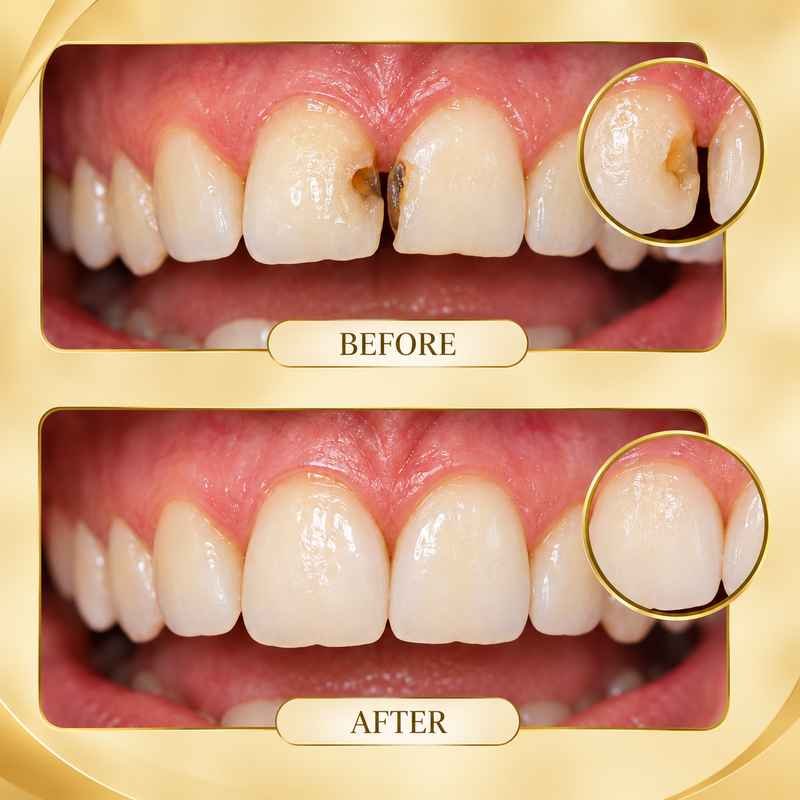
A dental filling repairs a tooth damaged by decay or minor damage. We assess your tooth and recommend a suitable treatment to help restore its function and appearance.

What Are Dental Fillings?
A dental filling repairs a tooth affected by decay or minor damage. After removing the decayed portion, your dentist restores the area with a suitable filling material to help protect the tooth and restore its function.
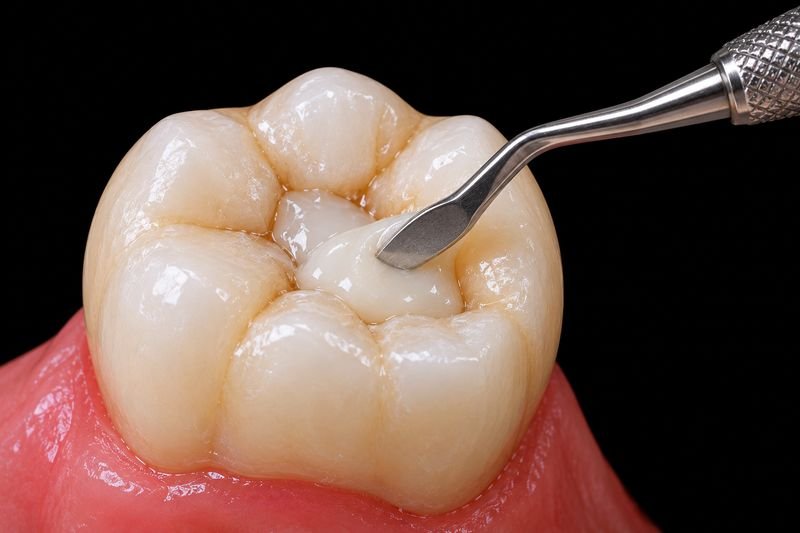
Filling Materials
The right material depends on the tooth, size of the cavity and your dental needs.
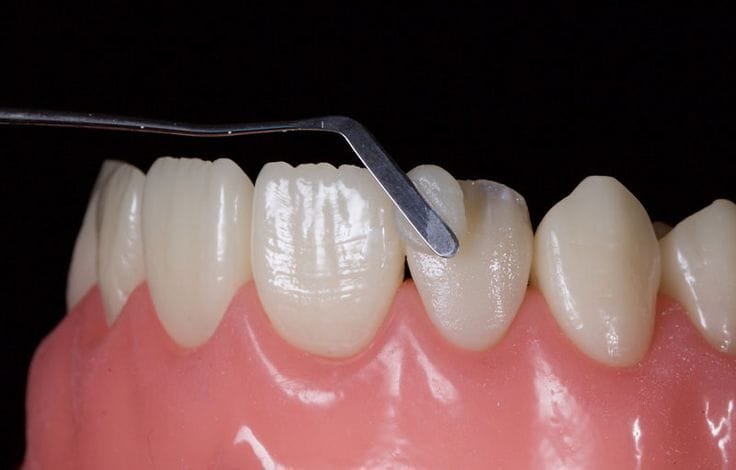
Composite Restoration
Tooth-coloured material designed to blend naturally with your smile. Often used for visible teeth and suitable cavities.
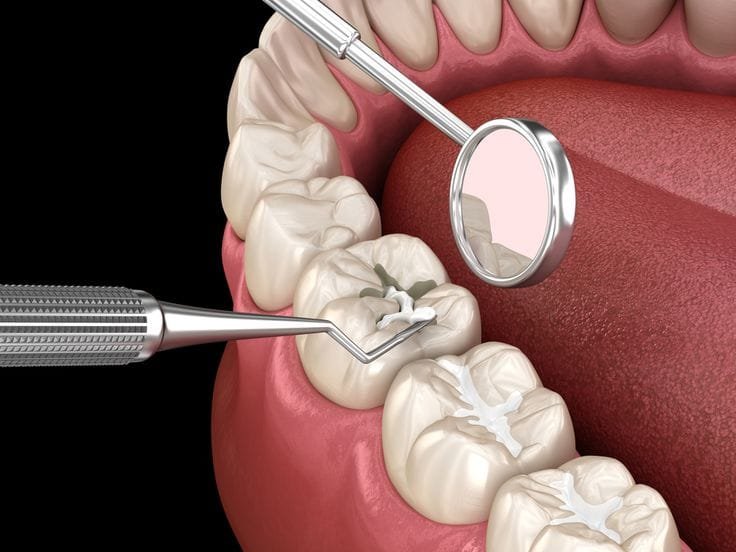
Glass Ionomer Cement (GIC)
Releases fluoride and may be suitable for selected areas depending on the tooth and clinical situation.
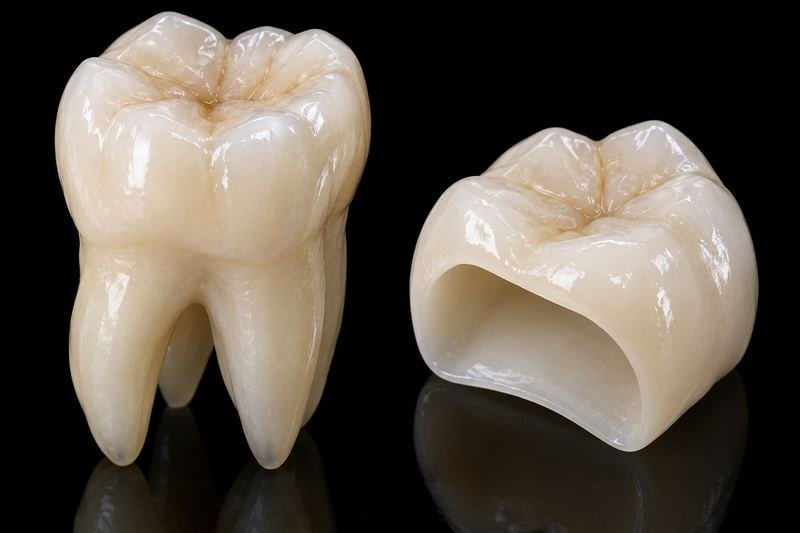
Ceramic Restorations
An aesthetic option for selected cases when a more extensive restoration is needed.
Which Treatment Is Right for You?
Your dentist will recommend an option after examining your tooth.
| Feature | Filling | Root Canal Treatment | Dental Crown |
|---|---|---|---|
| Common indication | Small to moderate cavity | Decay or damage involving the pulp | A weakened or heavily restored tooth |
| Main purpose | Restore a small damaged area | Treat infection or inflammation inside the tooth | Cover and protect a weakened tooth |
| Approach | Damaged tooth structure is restored with filling material. | The affected pulp is treated and the canals are sealed. | A custom restoration covers the tooth when indicated. |
Your dentist will recommend treatment after an examination and any necessary X-rays.
Benefits of Dental Fillings
Helps stop decay from progressing
Preserves natural tooth structure
Restores chewing function
Tooth-coloured options available
Often completed in one visit
May help reduce sensitivity caused by decay
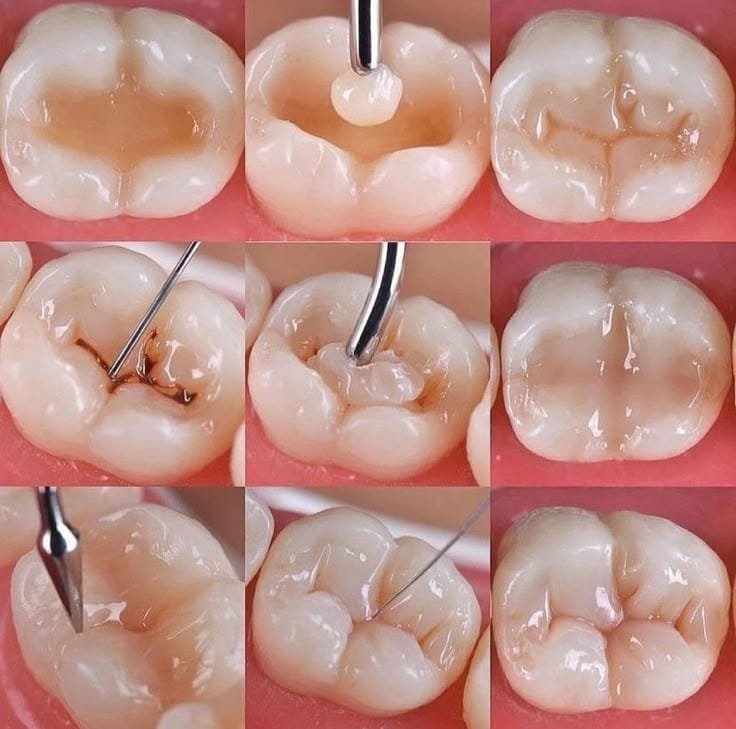
Your Dental Filling: Step by Step
A planned process focused on restoring the tooth.
Examination & Diagnosis
Your dentist checks the tooth and assesses the extent of decay.
X-ray if Needed
Imaging may help assess deeper decay or damage not visible during examination.
Removal of Decay
The decayed portion is removed, using local anaesthesia when needed.
Placement of Filling Material
The selected material is placed to restore the affected area.
Shaping & Bite Check
Your dentist shapes the filling and checks how your teeth meet.
Final Polish
The restoration is finished and checked for comfort.
Why Choose Ranyx Dental & Esthetic Centre?
Thoughtful treatment, clear guidance and a comfortable experience.
Patient-Centred Care
We listen to your concerns and tailor treatment to your needs.
Modern Diagnostic Approach
Appropriate imaging and examination help guide treatment decisions.
Clear Treatment Explanations
We explain your options and the treatment process in simple terms.
Focus on Comfort & Precision
A calm environment and careful treatment help support a better experience.
Frequently Asked Questions
1. Is a dental filling painful?
Many fillings are performed using local anaesthesia when needed to keep you comfortable. Mild sensitivity after treatment can occur and usually improves. Contact your dentist if pain is severe or persistent.
2. How long does a filling take?
Many straightforward fillings can be completed in one visit. The time depends on the tooth, size of the cavity, material used and whether additional treatment is needed.
3. How long does a dental filling last?
Longevity depends on the material, size and location of the filling, chewing forces and oral hygiene. Regular dental check-ups help your dentist monitor its condition.
4. How do I know if I need a filling?
Sensitivity, food trapping, visible damage or toothache may be signs, but some cavities cause no symptoms. A dental examination and, when indicated, X-rays can help identify decay.
5. Can I eat after getting a filling?
Follow your dentist's advice. If local anaesthesia was used, wait until numbness wears off before chewing to avoid biting your cheek or tongue. Your dentist may also recommend avoiding hard foods temporarily.
6. What is the difference between a filling and a crown?
A filling repairs a smaller area of damage, while a crown covers more of the tooth to protect it when substantial structure is weakened or missing. Your dentist will advise which option is suitable.