Healthy gums, confident smiles
What Is Gum Disease?
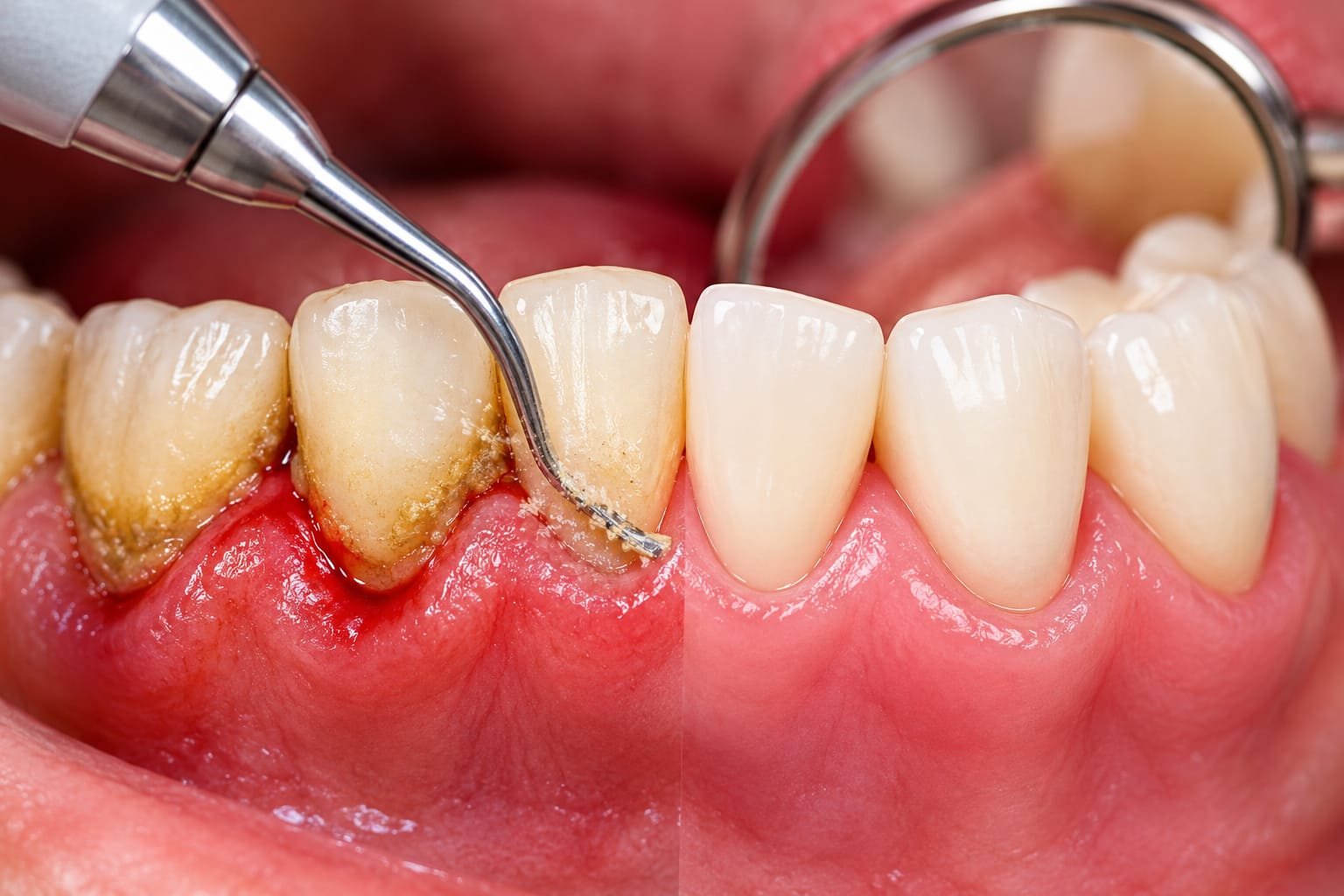
Gum disease is an infection of the tissues supporting your teeth. It may cause bleeding, swelling, bad breath, gum recession and, in advanced stages, loose teeth.

Who Can Benefit?
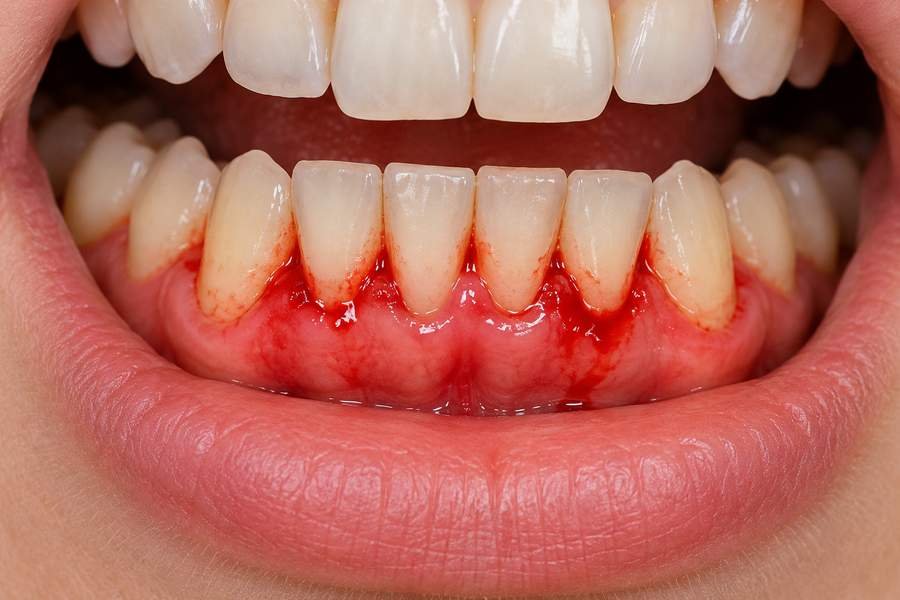
Bleeding gums

Swollen or tender gums

Persistent bad breath

Gum recession
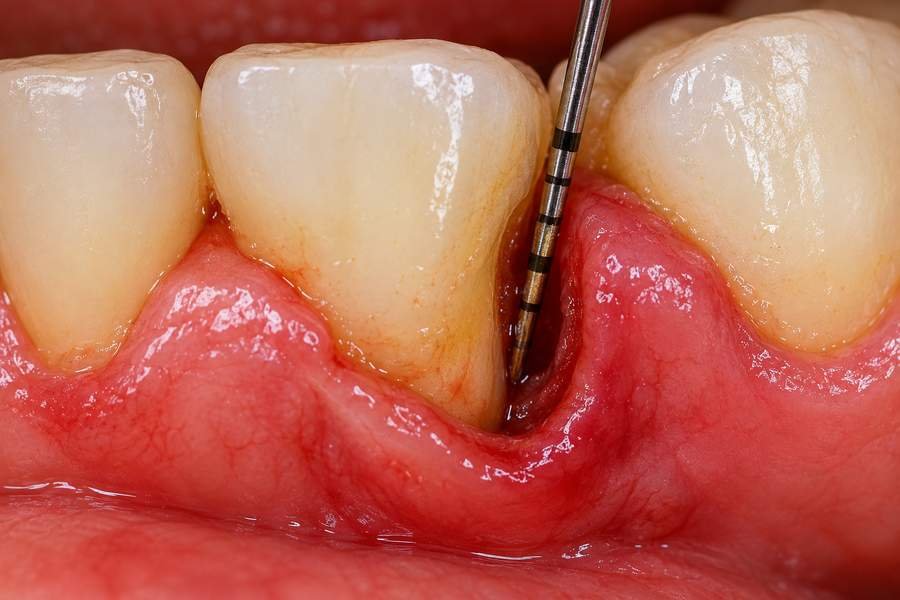
Deep gum pockets

Tooth sensitivity
Gum Treatment Options
We offer a range of advanced and non-surgical treatments to restore your gum health.

Scaling & Root Planing
Removes plaque and tartar from above and below the gumline. Helps reduce bacteria and allows gums to heal.

Laser Gum Therapy
Uses laser technology to help treat affected gum tissues, reduce inflammation and support healing when appropriate.

Medication
Antibiotic gels and prescribed mouth rinses may help control infection and support gum treatment when indicated.
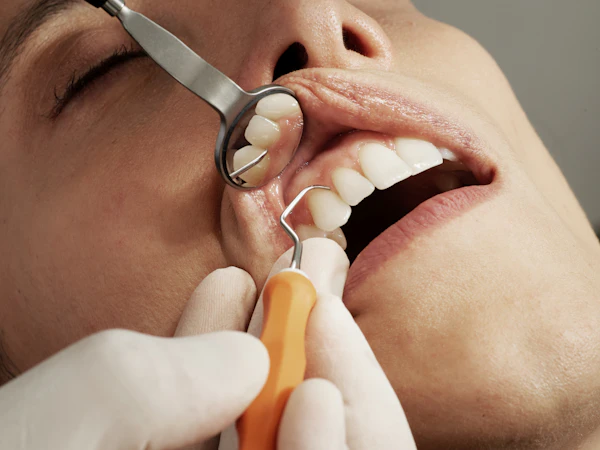
Periodontal Flap Surgery
For advanced cases where surgical access may be needed for deeper cleaning and management of affected tissues.
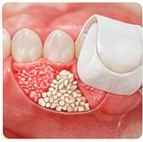
Bone Regeneration
Regenerative procedures may help restore some supporting bone lost through periodontal disease in suitable cases.
Gum Grafting
Can help cover exposed roots or strengthen thin gum tissue in selected cases of gum recession.
Your Treatment Journey

Examination &
gum assessment
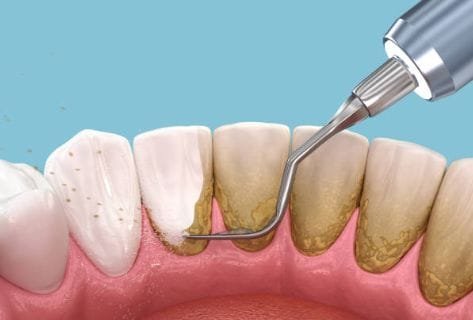
Professional cleaning /
deep cleaning
Additional treatment
if required

Healing review

Maintenance &
regular follow-ups
Why Choose Ranyx for Gum Treatment?
We combine expertise, modern technology and a patient-first approach to give you healthy gums and a confident smile.
Experienced Periodontist
Specialised care for gum health.
Advanced Technology
Laser and digital support for precise treatment.
Comfortable & Safe
Gentle, minimally invasive procedures where suitable.
Personalised Care
Treatment plans tailored to your needs.
Long-Term Results
Healthy gums, stronger teeth, lasting smiles.
Common questions
Frequently Asked Questions
What are the common signs of gum disease?
Common signs include bleeding, swelling, tender gums, persistent bad breath, gum recession, deep gum pockets and tooth sensitivity.
What treatments are available for gum disease?
Options may include scaling and root planing, medication, selected laser treatments, periodontal surgery, bone regeneration and gum grafting, depending on your dental assessment.
Is gum treatment painful?
Comfort measures depend on the procedure. Your dentist can explain what to expect during treatment and how to manage tenderness during recovery.
Can gum disease be managed successfully?
Gum disease can often be managed with appropriate professional care, daily oral hygiene and regular follow-ups. Results depend on the severity of the condition and individual circumstances.