What Is a Dental Crown?
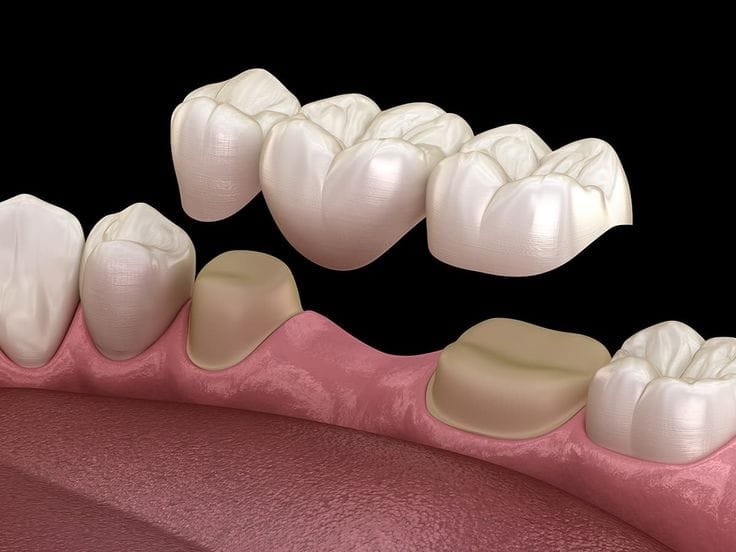
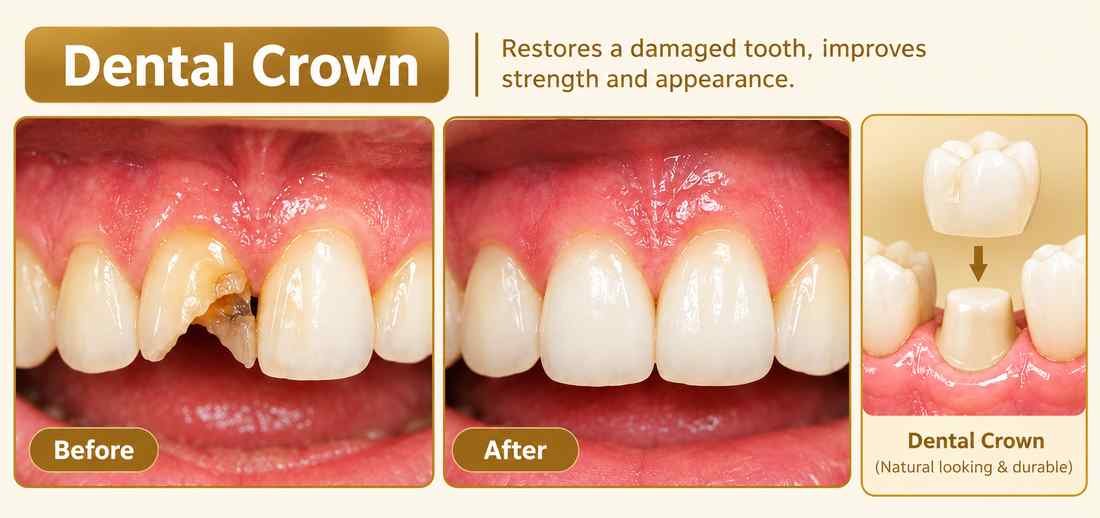
A dental crown is a custom-made covering placed over a tooth to restore its shape, strength and appearance. It can protect a weakened or damaged tooth, restore chewing function and improve your smile.
Crowns may be recommended for teeth with extensive decay, fractures, large fillings or after root canal treatment, depending on the clinical condition.
Who Needs a Dental Crown?
A crown may be recommended when a tooth needs additional protection or restoration.

Cracked or Chipped Teeth
Restore and protect selected damaged teeth.

Severely Decayed Teeth
Restore teeth when decay has weakened their structure.
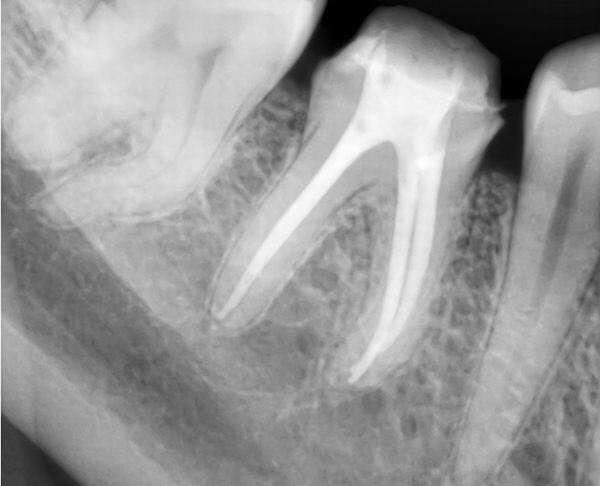
Weakened Teeth After RCT
Some treated teeth benefit from added structural protection.
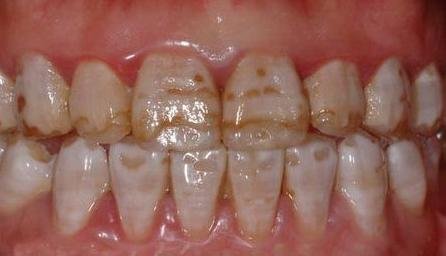
Discoloured Teeth
Improve appearance in selected cases when appropriate.

Worn-Down Teeth
Restore shape and function when clinically indicated.

Large Fillings
Protect remaining tooth structure when needed.
Personalised Crown Assessment
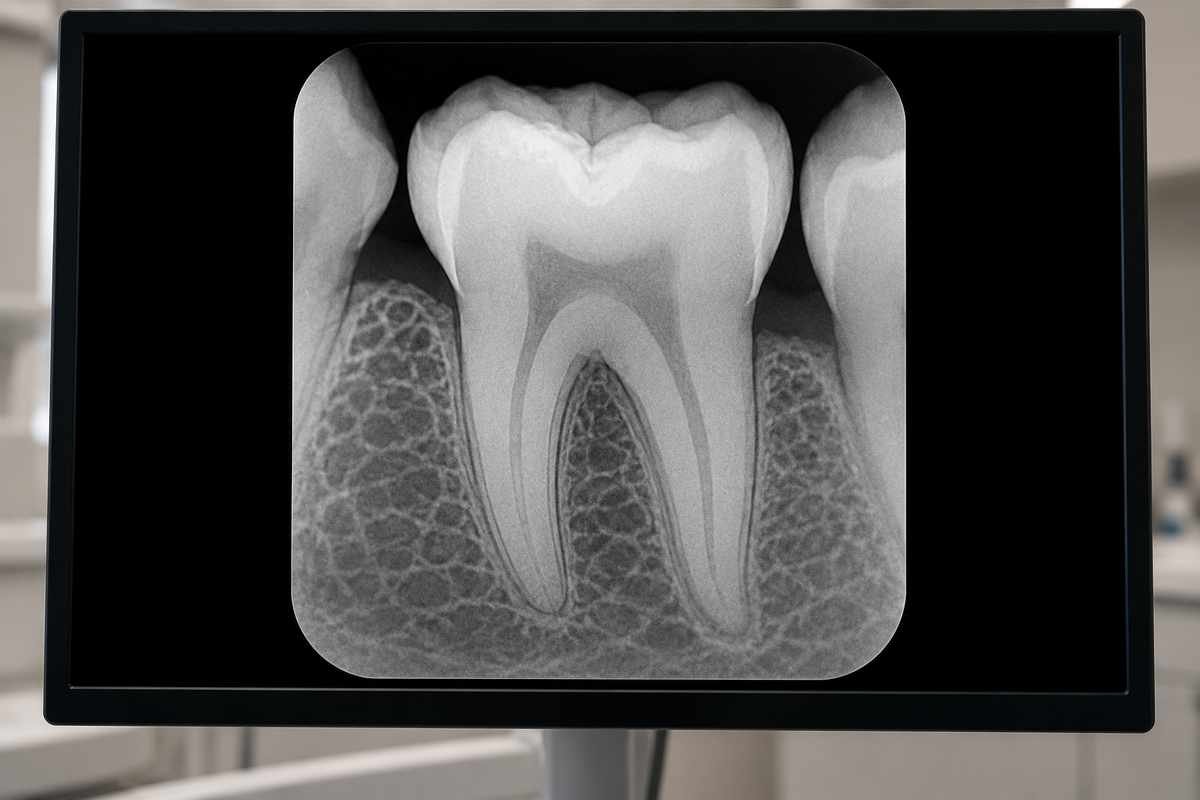
Your dentist will examine the tooth and may use X-rays or digital imaging to recommend an appropriate restoration.
Why Choose Ranyx for Dental Crowns?
At Ranyx, our approach combines careful assessment, modern dental techniques and a focus on comfort to help you make informed decisions about your smile.
Experienced Dental Team
Professional guidance tailored to your dental needs.
Modern Technology
Appropriate imaging and techniques for treatment planning.
Personalised Treatment
Crown recommendations based on tooth condition and goals.
Natural-Looking Results
Attention to colour, shape and smile aesthetics.
Step-by-Step Dental Crown Treatment
From assessment to a carefully fitted final crown.

Diagnosis
Assess the tooth, oral health and treatment needs.
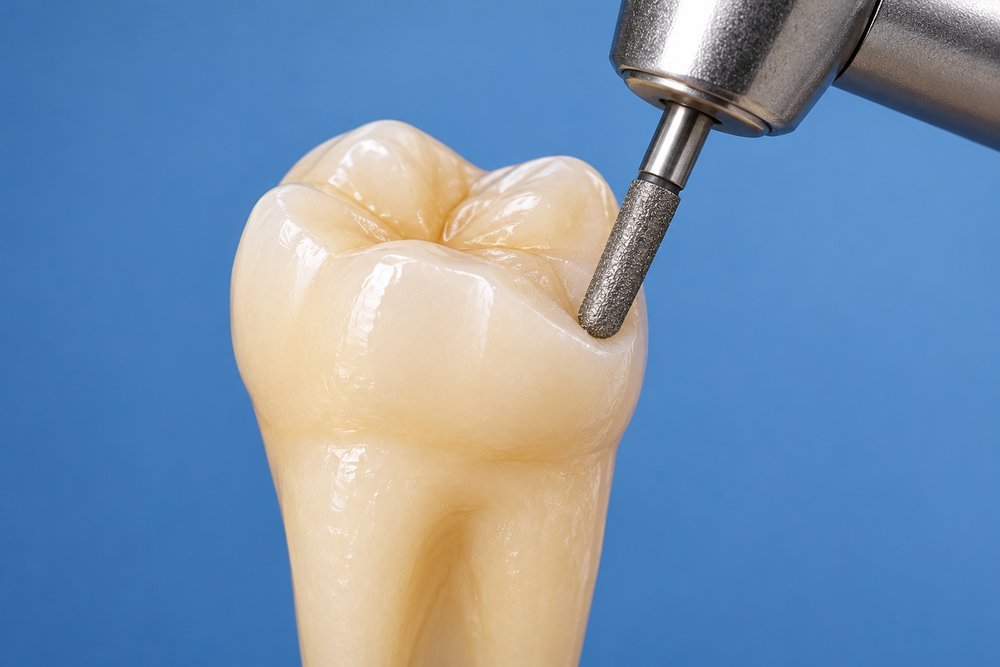
Tooth Preparation
Prepare the tooth as needed for the planned crown.
Scan or Impression
Record tooth shape to create a well-fitting restoration.

Temporary Crown
A temporary restoration may protect the tooth while needed.

Final Crown Fitting
Check the fit, bite and appearance before securing the crown.
Types of Dental Crowns
Your dentist will help choose a crown based on tooth position, bite, appearance and budget.
E-max Crowns

- Excellent aesthetic potential
- Translucent, natural appearance
- Often considered for visible teeth
Zirconia Crowns

- Strong ceramic material
- Natural-looking options available
- May suit front or back teeth
PFM Crowns

- Porcelain over a metal framework
- Combines aesthetics and strength
- Metal may become visible near the gumline
Full Metal Crowns

- High durability
- Can suit selected back teeth
- Metallic appearance
Frequently Asked Questions
Common questions about dental crowns and treatment.
How long does a dental crown last?
Many crowns last for years, but their lifespan varies with the material, bite, oral hygiene and habits such as teeth grinding. Regular dental check-ups help monitor the crown.
Is getting a dental crown painful?
Tooth preparation is generally performed using local anaesthesia. Some sensitivity or soreness may occur afterwards and usually settles, but contact your dentist if pain persists or worsens.
How many visits are needed?
Traditional crown treatment often involves a preparation visit and a later fitting visit. The exact number depends on the crown process and your clinical needs.
Can a crown look like a natural tooth?
Yes. Ceramic materials can be selected and shaped to blend with surrounding teeth. The result depends on material choice, tooth position and individual factors.
Which type of crown is best?
There is no single best crown for every patient. Your dentist will consider the tooth's location, remaining structure, bite forces, aesthetic needs and budget.
Can I eat normally after treatment?
Follow your dentist's advice, especially while wearing a temporary crown. Once your final crown is fitted, gradually return to normal eating as advised and avoid using teeth to bite very hard objects.
How should I care for my crown?
Brush twice daily, clean between your teeth, maintain gum health and attend routine dental visits. A crown still needs care, and the underlying tooth can develop decay.
What is the cost of a dental crown?
The cost depends on the crown material, tooth condition, laboratory process and any additional treatment required. Ask your dentist for a personalised estimate after assessment.