
Pediatric Dentistry
Deserve Gentle Care
At Ranyx Dental & Esthetic Centre, we provide child-friendly dental care designed to help little ones feel safe, supported and confident. From the first tooth to the teenage years, we focus on prevention, healthy habits and gentle treatment tailored to each child's needs.
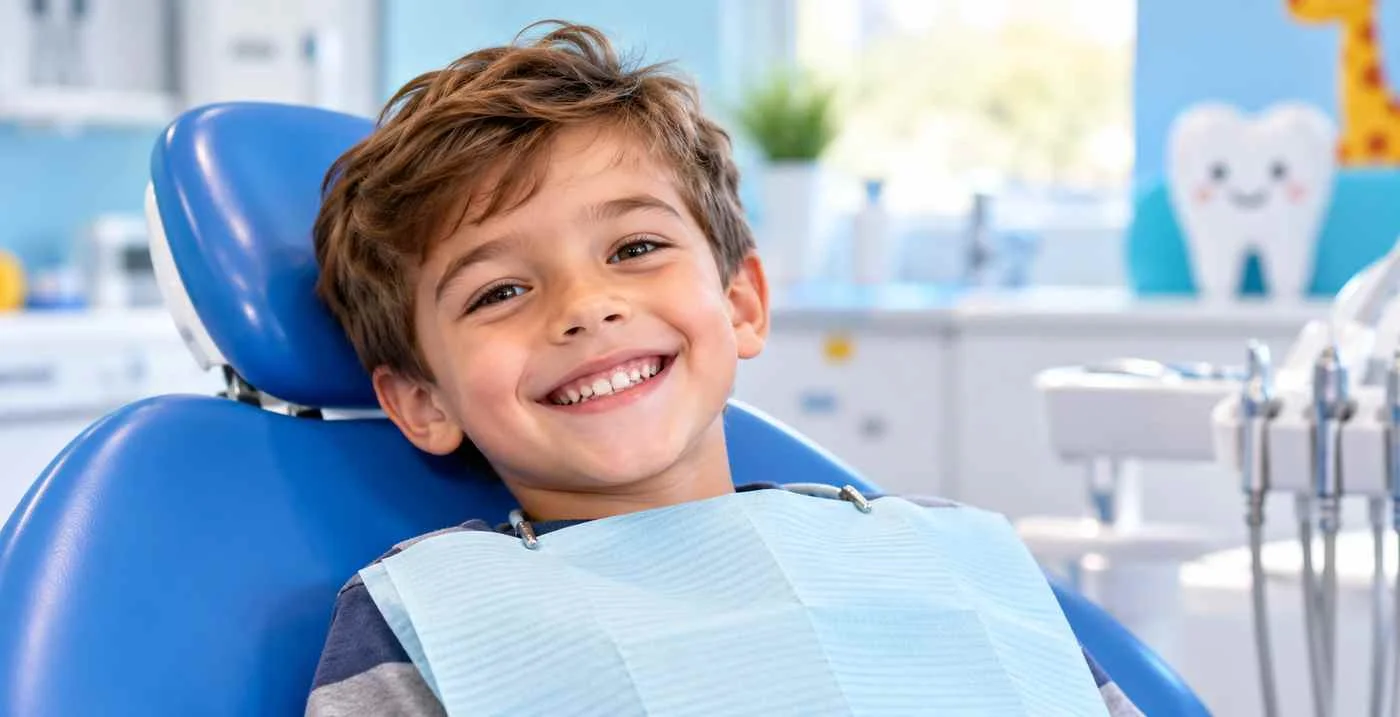
When Should You Bring Your Child?
It is recommended that a child's first dental visit takes place when the first tooth appears, and no later than their first birthday. Early visits help your dental team check development, offer practical prevention advice and help your child become familiar with the dental setting.
Regular check-ups are then planned according to your child's individual risk of tooth decay and oral health needs.
Signs Your Child May Need a Visit
If you notice any of the following, arrange a dental assessment. For facial swelling, fever with dental pain, or difficulty swallowing or breathing, seek urgent medical or dental care.

Toothache or Sensitivity
Repeated pain or discomfort when eating, drinking or brushing should be checked.

Spots or Cavities
White, brown or dark areas, holes or rough patches may be signs of tooth decay.

Red or Bleeding Gums
Persistent gum redness, swelling or bleeding during brushing deserves attention.

Dental Injury
A chipped, loosened, displaced or knocked-out tooth needs prompt advice.

Crowding or Bite Concerns
Early or delayed tooth loss, crowding or difficulty biting may need evaluation.

Difficulty Eating
Avoiding certain foods, chewing on one side or discomfort while eating may indicate a problem.

Oral Habits or Mouth Changes
Persistent thumb-sucking, mouth breathing or sores that do not heal should be discussed with a clinician.
Age-Based Care: Through Every Stage
Your child's dental needs change as they grow. Advice and treatment are adapted to their development, habits and individual risk of tooth decay.

Babies & Toddlers
First dental visit, brushing guidance, fluoride advice, feeding habits and prevention of early childhood tooth decay.

Preschool Years
Building brushing routines, checking primary teeth, encouraging healthy snacks and helping children feel comfortable at visits.

School-Age Children
Monitoring permanent teeth, assessing decay risk, discussing sealants when suitable and checking bite development.

Preteens & Teens
Supporting independent oral hygiene, diet choices, sports mouthguard advice and monitoring wisdom teeth or orthodontic concerns.
Pediatric Dental Treatments

Fluoride Therapy
Professional fluoride treatment helps strengthen tooth enamel, prevent cavities, and protect children’s teeth from decay.

Space Maintainers for Children
Pediatric space maintainers preserve the space left by prematurely lost baby teeth, helping permanent teeth erupt correctly and supporting healthy dental development.

Growth Modification Appliances for Children
Specialised pediatric appliances guide jaw growth and improve bite alignment, supporting healthy facial and dental development.

Pediatric Pulp Therapy & Dental Crowns
Pediatric pulp therapy and dental crowns help treat damaged or infected baby teeth, relieve discomfort, and protect teeth until they naturally fall out.

Habit Breaking Appliances for Children
Pediatric dental appliances help children stop harmful oral habits like thumb sucking and tongue thrusting, supporting healthy tooth alignment and jaw development.

Pit & Fissure Sealants for Children
A simple preventive dental treatment that seals deep grooves in children’s teeth, helping prevent cavities and protect young teeth from decay.
How We Keep Children Comfortable in the Chair
Children differ in age, confidence and previous experiences. A calm, flexible approach can help them feel involved and supported during dental care.
Tell, Show, Do
We explain each step in child-friendly language, show safe instruments or demonstrate what will happen, and proceed gradually when the child is ready.
- Use simple words and short explanations.
- Introduce tools and sounds at a comfortable pace.
- Offer encouragement and breaks when needed.
- Agree on a simple signal for pausing treatment.
Sedation When It Helps
For selected children, sedation may be considered when anxiety, age, treatment needs or difficulty coping makes routine care challenging. The option depends on an individual assessment.
- The dentist explains suitable methods, benefits and risks.
- Medical history and safety requirements are reviewed first.
- Monitoring and fasting instructions depend on the method used.
- Sedation is not necessary for every child and does not replace local anaesthesia when needed.
What You Can Do at Home
Parents and caregivers can help make dental visits feel familiar and build habits that protect growing teeth.
- Speak positively about the visit and avoid threatening language.
- Read a story or play pretend dentist at home.
- Brush twice daily with age-appropriate fluoride toothpaste and supervise brushing.
- Keep sugary snacks and drinks occasional, and follow the dentist's advice.
Why Choose Ranyx Dental?
Children deserve care that respects their comfort, development and individual needs. Our goal is to support healthy habits, provide clear guidance to families and help children build a positive relationship with dental care.
Gentle Approach
Supportive communication shaped around the child.
Prevention Focus
Practical advice to help reduce the risk of tooth decay.
Age-Appropriate Care
Guidance that changes with your child's stage of growth.
Family Guidance
Clear explanations and advice for parents and caregivers.

Pediatric Dentistry FAQs
Helpful answers for parents and caregivers.
When should my child first visit the dentist?
Arrange the first visit when the first tooth appears, and no later than the first birthday. This allows the dental team to check development and give advice on brushing, diet and prevention.
How often should children have dental check-ups?
The right interval depends on your child's oral health and risk of tooth decay. Your dentist will recommend a schedule tailored to their needs.
Are baby teeth important if they eventually fall out?
Yes. Baby teeth help children chew and speak, support confidence, and help maintain space for developing permanent teeth. Tooth decay or early tooth loss can sometimes affect comfort and development.
What if my child is afraid of the dentist?
Tell the dental team about your child's worries before the visit. A gradual, child-friendly approach, simple explanations, positive encouragement and breaks can help. For some children, additional behaviour guidance or sedation may be discussed after assessment.