Comfortable Care for Wisdom Tooth Problems
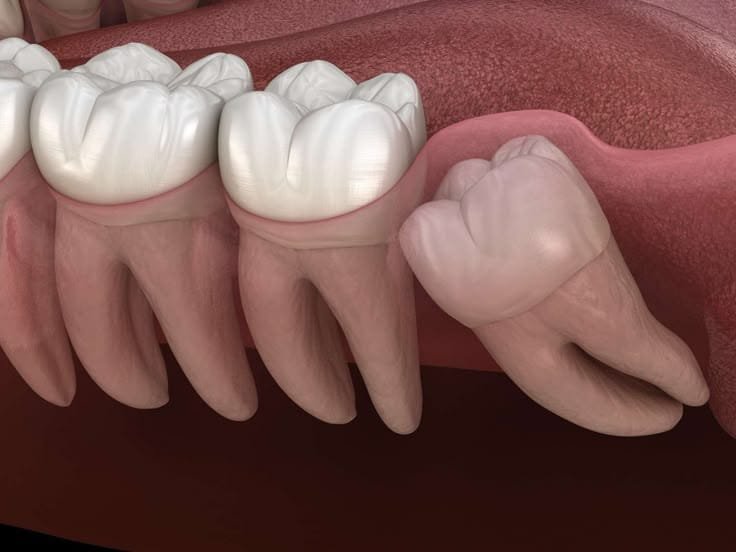
Wisdom teeth are the last molars to develop. When there is not enough room for them to erupt properly, they may become impacted and cause pain, swelling, gum infection or damage to nearby teeth.
At Ranyx Dental & Esthetic Centre, we assess your wisdom teeth and recommend treatment based on your individual needs.
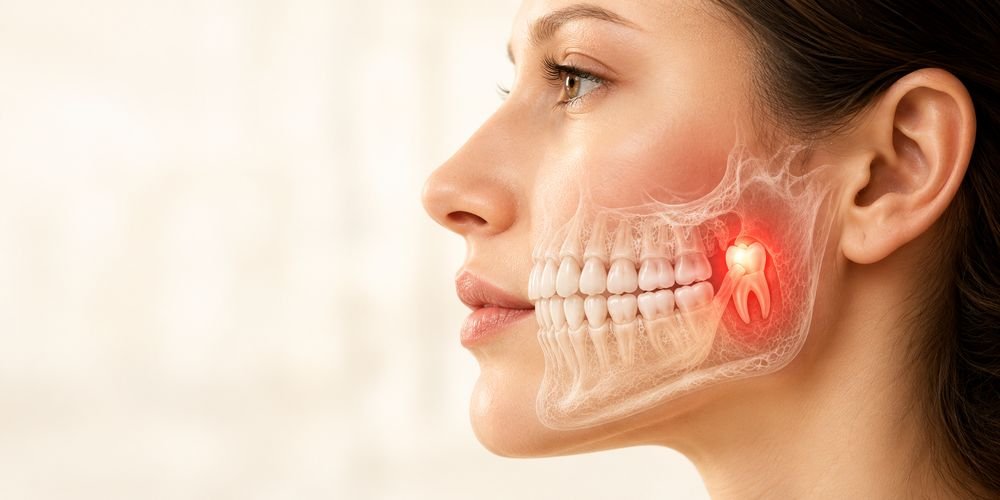
Common Problems Caused by Wisdom Teeth
Recognising symptoms early can help you seek appropriate dental care.

Pain or Tenderness
Discomfort at the back of the mouth, sometimes spreading to the jaw.

Swelling
Swelling around the gums, jaw or cheek near the affected tooth.

Partially Erupted Tooth
A gum flap can trap food and bacteria around the tooth.
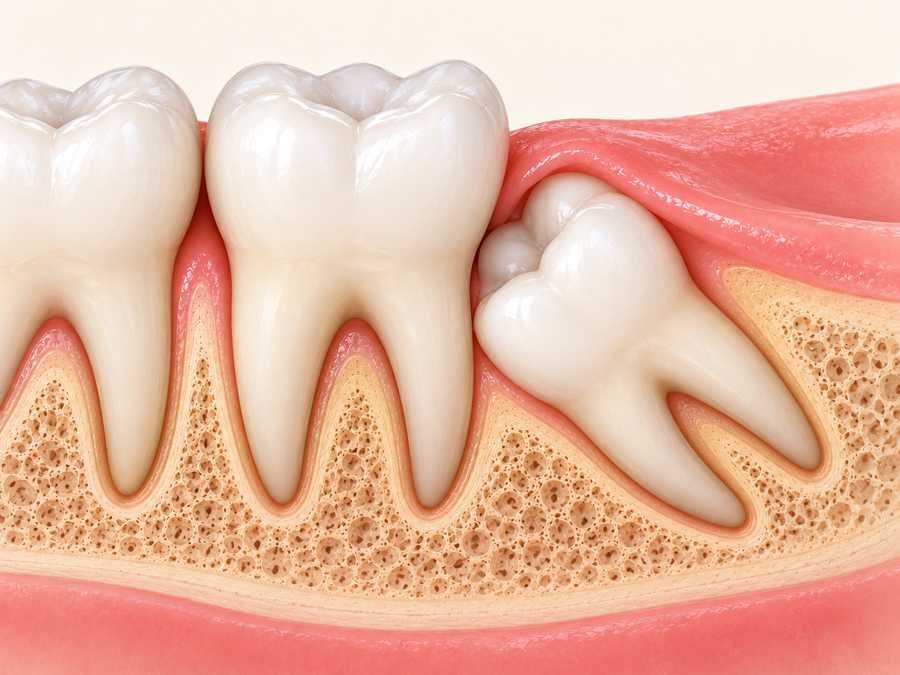
Gum Infection
Redness, tenderness, unpleasant taste or discharge near the tooth.
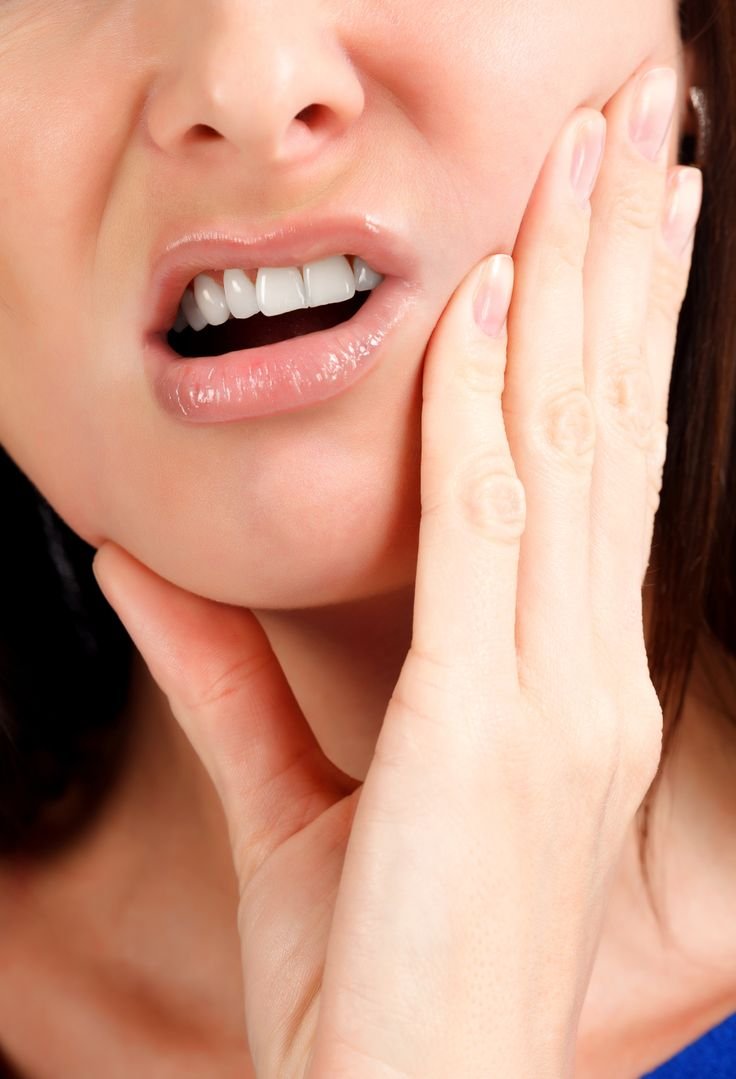
Difficulty Opening the Mouth
Jaw stiffness or discomfort while chewing or opening your mouth.

Damage to Nearby Teeth
Hard-to-clean areas may develop decay or gum problems.
What to Expect During Wisdom Tooth Removal
Your dentist will examine the area and may recommend dental X-rays to understand the tooth's position and its relationship to nearby structures.
If removal is advised, local anaesthesia is generally used to numb the area. The tooth is removed using an approach suited to its position and complexity. Stitches may be needed in some cases.
Your dentist will explain the procedure, recovery expectations and aftercare instructions before treatment.
Every case is different. Not all wisdom teeth need removal. Your dentist will assess symptoms, tooth position and potential risks before recommending treatment.
Benefits of Treating Problematic Wisdom Teeth
Timely assessment and appropriate treatment can help protect your oral health.
Helps Relieve Symptoms
Treatment can address pain and discomfort caused by an affected tooth.
Addresses Gum Infection
Appropriate care helps manage infection around a problematic wisdom tooth.
Protects Nearby Teeth
Assessment can identify decay or damage affecting adjacent teeth.
Supports Oral Hygiene
Managing difficult-to-clean areas may help maintain gum health.
Types of Wisdom Tooth Impaction
The angle and position of a wisdom tooth help your dentist plan treatment.

Vertical Impaction
The tooth is relatively upright but may be unable to erupt fully.
Mesial Impaction
The tooth angles forward towards the neighbouring tooth.
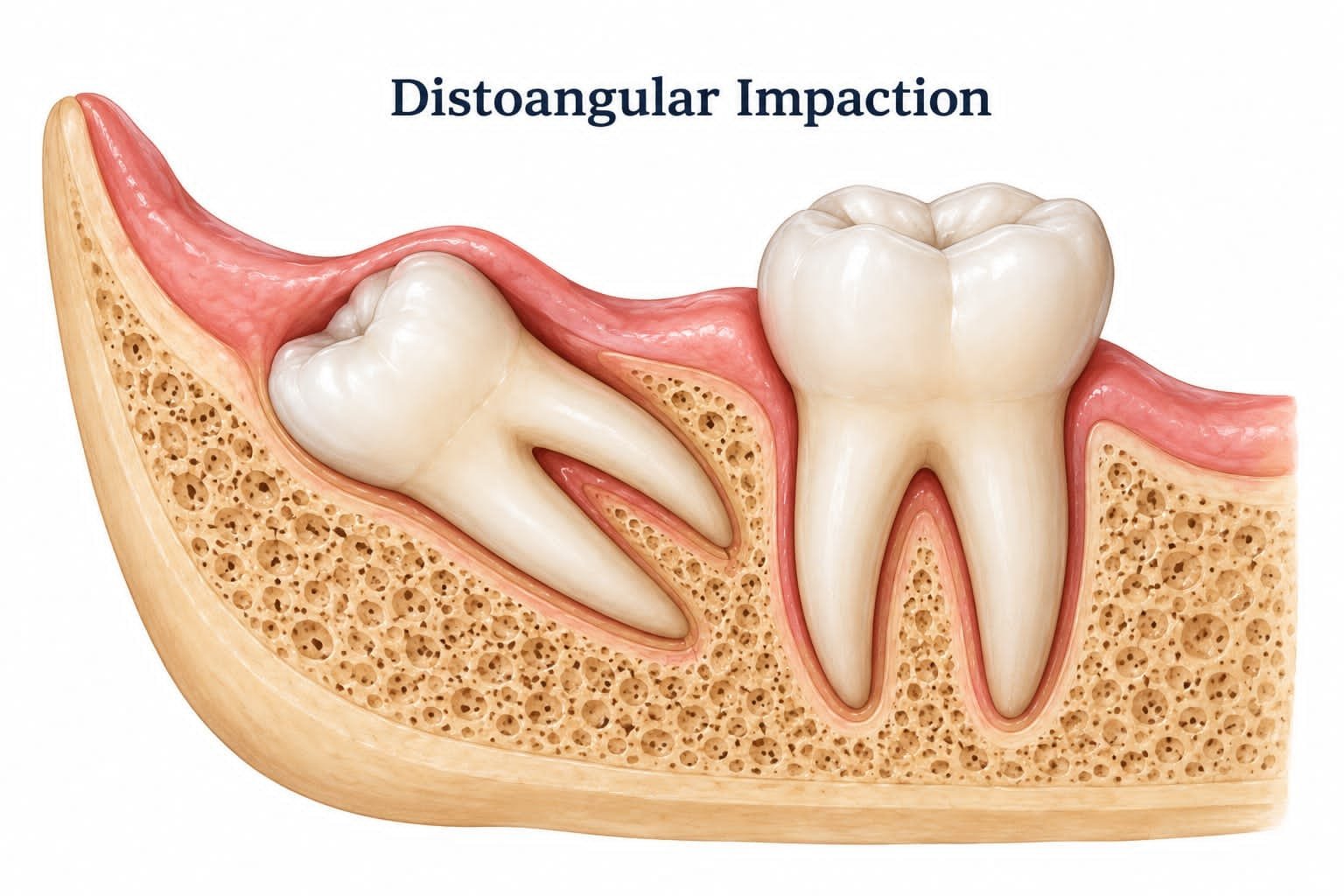
Distal Impaction
The tooth angles away from the neighbouring tooth.

Horizontal Impaction
The tooth lies sideways and may press against the adjacent molar.
Why Choose Ranyx?
At Ranyx Dental & Esthetic Centre, we focus on personalised care, careful assessment and helping patients understand their treatment options.
Personalised Treatment Planning
Recommendations based on your examination and appropriate imaging.
Modern Dental Care
Diagnostic tools and treatment approaches selected for your needs.
Patient-Focused Approach
Clear explanations and attention to your comfort throughout care.
Hygiene & Safety
Careful infection-control practices and guidance for recovery.

Frequently Asked Questions
Helpful answers about wisdom teeth, removal and recovery.
1. Do all wisdom teeth need to be removed?
No. Healthy, properly positioned wisdom teeth that are easy to clean may not need removal. Your dentist can assess whether monitoring or treatment is appropriate.
2. What are the signs of a problematic wisdom tooth?
Symptoms may include pain at the back of the mouth, swollen gums, repeated infections, unpleasant taste or difficulty opening your mouth. Some problems may not cause obvious symptoms.
3. Is wisdom tooth removal painful?
Local anaesthesia is generally used to numb the area during removal. Some soreness and swelling are common afterwards, and your dentist will explain how to manage them.
4. How long does recovery take?
Many people start feeling better within several days, although complete healing takes longer. Recovery depends on the tooth's position and the complexity of the procedure.
5. What can I eat after wisdom tooth removal?
Choose soft foods that require little chewing, such as yoghurt, mashed vegetables and other cool or lukewarm foods. Avoid hard, crunchy and very hot foods initially.
6. What is an impacted wisdom tooth?
An impacted wisdom tooth cannot erupt fully into its normal position. It may be trapped beneath the gum, within the jawbone or against a neighbouring tooth.
7. Will I need stitches after removal?
Not always. Stitches may be needed for some surgical extractions. Some dissolve naturally, while others may need removal at a follow-up appointment.
8. When should I contact my dentist after removal?
Contact your dentist if you develop worsening pain, persistent bleeding, increasing swelling, fever or discharge. Difficulty breathing or swallowing, or rapidly spreading swelling, requires emergency medical care.